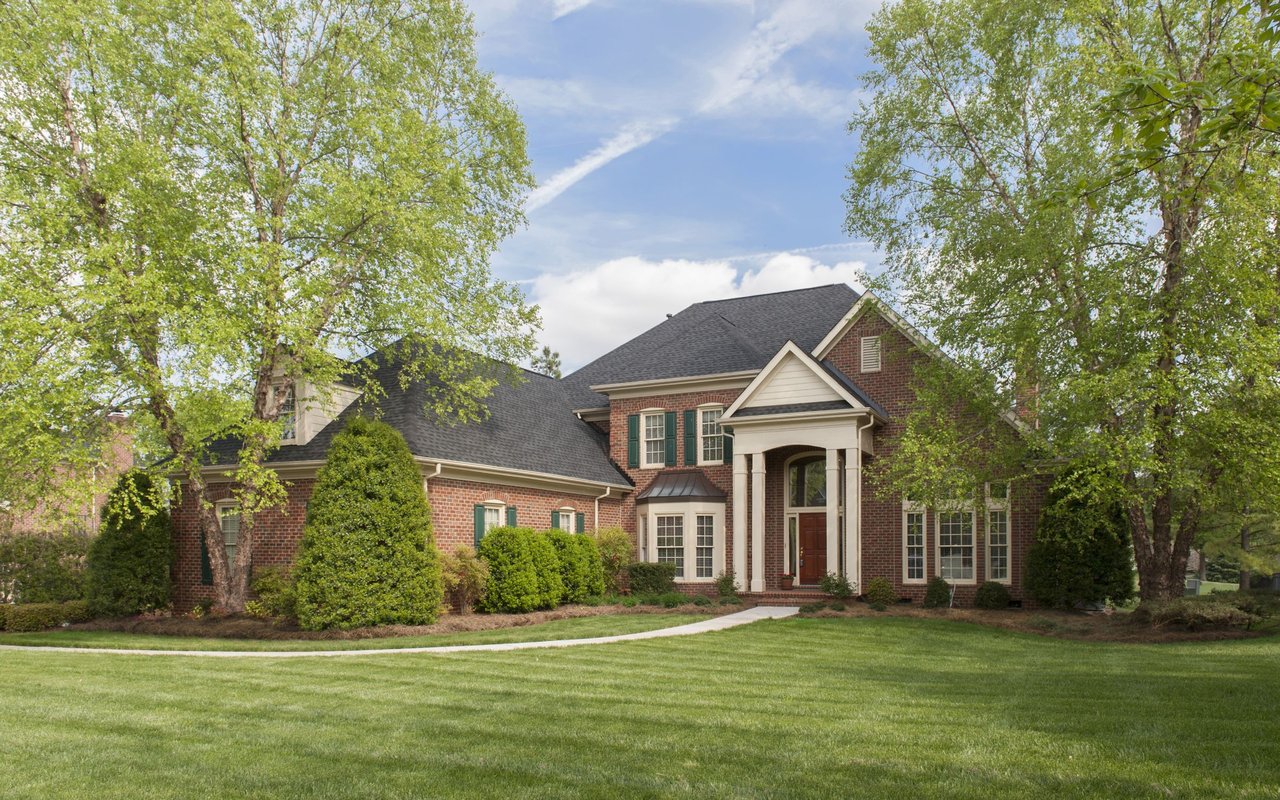
Thinking about buying a rental in Short Pump but unsure how the numbers pencil out? You are not alone. Between higher home prices and shifting rents, it can be hard to know what makes a smart buy. In this guide, you will see real local figures, a simple underwriting template, and the key Henrico rules to check so you can invest with confidence. Let’s dive in.
Short Pump at a glance
Short Pump sits in Henrico’s West End and blends established subdivisions with walkable, mixed-use pockets near major retail. The area draws steady renter demand thanks to shopping, dining, and modern amenities. Apartment trackers also show household incomes that are typically above the regional average, which supports the local rental market. If you value convenience and long-term neighborhood stability, this submarket belongs on your shortlist.
What the numbers say
Home prices: the cash-flow hurdle
Recent market trackers put Short Pump’s median sold price near $510,000 in early 2026. That price point is a major driver of lower cap rates for single-family rentals unless your achievable rent is well above apartment averages. The takeaway is simple: underwriting matters. Your returns will live or die on purchase price, true market rent, and realistic operating costs.
Rents and vacancy: know your comps
Apartment-focused datasets in Short Pump show average rents around $1,600 for a 1-bedroom and roughly $2,100–$2,200 for a 3-bedroom unit. You can review current apartment averages on the Short Pump rent trends page from a leading tracker to ground your assumptions. These apartment figures are helpful, but single-family and townhome rents often run higher depending on size and finishes. Use SFR and townhome comps within one to two miles for true pricing power.
Regional multifamily vacancy has hovered in the mid-single digits in recent reports, with some submarkets moving higher where new buildings are delivering. That means apartments may offer concessions at times, while family-oriented single-family rentals can remain relatively steady. When you model vacancy, use a conservative range in the 5–8 percent band and stress test higher.
Choose the right property type
- Single-family homes. Strong appeal for tenants who value space and convenience. Highest purchase prices and higher maintenance and capital expenses over time. Best fit if you plan to hold long term and can buy well.
- Townhomes and condos. Often rent quickly and can have lower day-to-day maintenance because exterior items may be covered by the HOA. HOA dues reduce cash flow and some associations restrict rentals, so review documents before you offer.
- Purpose-built apartments. These set a baseline for renters who want amenities. New deliveries can increase concessions in the near term, which may affect your pricing strategy even if you own a house or townhome nearby.
For any property with an association, verify what the HOA can and cannot require of landlords. Virginia law outlines limits on fees and processes for associations, which helps you understand your rights and obligations.
Underwrite with local numbers
Core formulas you will use
- Gross Rent Multiplier (GRM) = Purchase price ÷ Annual gross rent.
- Net Operating Income (NOI) = Effective Gross Income − Operating Expenses.
- Cap Rate = NOI ÷ Purchase price.
Effective Gross Income is your annual rent less expected vacancy and credit loss. Operating Expenses include property taxes, insurance, maintenance and reserves, property management, HOA dues, and any owner-paid utilities.
Inputs to pull before you buy
- 3–5 recent sold comps and 3–5 active rental comps within a 1–2 mile radius.
- Henrico property tax rate and estimated bill for the address.
- Landlord insurance quote and an estimate of the cost difference from your homeowner policy.
- A maintenance and capital reserve plan sized to the property’s age and systems.
- Local vacancy and a realistic property management fee quote if you will not self-manage.
Helpful references as you build your model:
- Henrico tax rate: $0.83 per $100 of assessed value (county schedule)
- Landlord insurance can run about 15–25% more than homeowner policies (insurance overview)
- Management fees commonly land in the 8–12% range of collected rent (fee guide)
Worked example: a Short Pump SFR
Assume a purchase price near the recent median of $510,000 and a market rent of $2,800 per month for a well-finished 3-bedroom single-family or townhome. That produces $33,600 in annual gross rent. Use a 6% vacancy assumption to reflect local conditions. Your Effective Gross Income would be $33,600 × 94% = $31,584.
Now add realistic operating expenses:
- Property taxes at $0.83 per $100 on a $510,000 assessment: about $4,233 per year.
- Landlord insurance estimate: roughly $1,800 per year.
- Maintenance and capital reserve: a conservative 1% of price, or about $5,100 per year.
- Property management at 10% of collected rent: about $3,158 per year.
Total operating expenses: approximately $14,291.
NOI: $31,584 − $14,291 = $17,293.
Cap rate: $17,293 ÷ $510,000 ≈ 3.4%.
What this means for your offer
At today’s prices, Short Pump single-family rentals often pencil to low single-digit cap rates unless you secure above-average rent, a below-market purchase price, or both. To raise returns, target homes where you can add value with light updates, buy in micro-locations that command premium rents, or negotiate favorable terms. No matter what, stress test your deal with lower rent, a few extra weeks of vacancy, and a bigger capital project in year one.
Rules and taxes to know in Henrico
- Property taxes. Henrico’s real estate tax rate is $0.83 per $100 of assessed value. Use the county schedule when you estimate your annual tax expense. Henrico tax schedule
- Short-term rentals (STRs). If you plan to host stays under 30 days, you must complete zoning approval, register with the county STR registry, pay a $200 registration fee, and collect an 8% transient occupancy tax. Review the county checklist before you launch an STR. Henrico STR guidelines
- HOA covenants. Associations can regulate aspects of rentals if allowed by their declarations. Always read the governing documents for rental caps, application steps, and any fees that comply with Virginia law. Virginia Code §55.1-1806
- Security deposits and leases. Virginia’s Residential Landlord and Tenant Act requires written itemization for any deposit deductions and return or notice within 45 days after the tenancy ends. Use a written lease and include required disclosures. VRLTA overview
- Eviction process. The Henrico General District Court and Sheriff manage the unlawful detainer process. Expect a multi-step timeline that can lengthen if an Eviction Diversion program is applied. Plan for legal fees and time in your underwriting. Henrico eviction process
- Loan occupancy. If you financed as an owner-occupant, review your mortgage occupancy rules before converting to a rental. Some programs expect a year of occupancy unless an exception applies. Speak with your lender to avoid compliance issues.
- Taxes and depreciation. Residential rentals are generally depreciated over 27.5 years under MACRS, and rental income/expenses are reported on Schedule E. Work with a CPA on entity choice and passive-loss limits. IRS Publication 527
Setup and management checklist
Before you list for rent
- Pull 3–5 single-family or townhome rental comps within 1–2 miles and confirm with a local property manager.
- Price your home using a conservative rent range and a realistic vacancy factor.
- Switch from a homeowner policy to a landlord policy and require renters insurance in your lease. Landlord insurance primer
- Review HOA documents for rental caps, application processes, and fees allowed by statute. Virginia HOA rules
- Build a capital plan. Set aside a reserve equal to several months of mortgage payments plus at least 1% of the home’s value for maintenance in year one.
- Decide on management. If you will hire a property manager, budget 8–12% of collected rent and a leasing fee. Get the scope and fee schedule in writing. Property management fees
After you select a tenant
- Use a clear, written lease (12 months is common), complete a move-in inspection with photos, and collect a security deposit.
- Apply objective screening standards consistently to comply with Fair Housing requirements. Keep documentation organized.
- Set expectations for maintenance requests, rent payment methods, and renewal timelines in writing.
Accounting and records
- Track every receipt and invoice, including mileage related to property management.
- Record capital improvements separately from repairs to support depreciation.
- Meet with a CPA early to plan for Schedule E reporting and depreciation elections. IRS Publication 527
Local risks and how to mitigate them
- New apartment supply. Fresh deliveries can increase competition and concessions in certain pockets. Monitor the Richmond pipeline and factor potential concessions into your pricing.
- Interest rates and financing costs. Higher rates lower cash-on-cash returns. Underwrite using conservative financing assumptions and set aside ample reserves.
- Regulatory shifts. STR registration, HOA controls, and court diversion programs can affect timelines and strategy. Build time and legal cost buffers into your plan.
Mitigation playbook:
- Use conservative rent, vacancy, and expense assumptions from the start.
- Keep an initial reserve equal to several months of mortgage payments plus a dedicated maintenance reserve.
- Focus on properties where light improvements can produce outsized rent gains.
Your next step
If you want a Short Pump rental that performs, start with local comps, a conservative model, and a clear plan for management. You do not have to figure it out alone. When you are ready to pressure-test a deal or compare neighborhoods, connect with a local partner who knows how these homes live and lease.
Have questions or want a custom rent and return analysis on a specific address? Reach out to Adam Carpenter for a quick strategy call and a plan that fits your goals.
FAQs
What are typical Short Pump rents for a 3-bedroom rental?
- Apartment trackers show roughly $2,100–$2,200 for 3-bedroom apartments, while single-family and townhome rents commonly run higher depending on size and finishes; use nearby SFR comps to price accurately. Rent trend reference
How does Henrico’s property tax rate affect my returns?
- At $0.83 per $100 of assessed value, taxes are a meaningful operating expense; always plug the current rate and estimated assessment into your NOI model before you offer. Henrico tax schedule
Are short-term rentals allowed in Henrico County?
- Yes, but you must secure zoning approval, register, pay a $200 fee, and collect an 8% transient occupancy tax for stays under 30 days; review the county’s checklist before launching. STR guidelines
What cap rate can I expect for a Short Pump single-family rental?
- At recent prices and mid-range rents, a worked example pencils near a 3–4% cap rate; higher returns typically require above-average rent, a below-market purchase price, or targeted value-add improvements.
What are common property management fees around Richmond?
- Many single-family managers charge 8–12% of collected rent plus a leasing fee; confirm services and fees in writing so you can model true net cash flow. Fee overview