
June 25, 2026
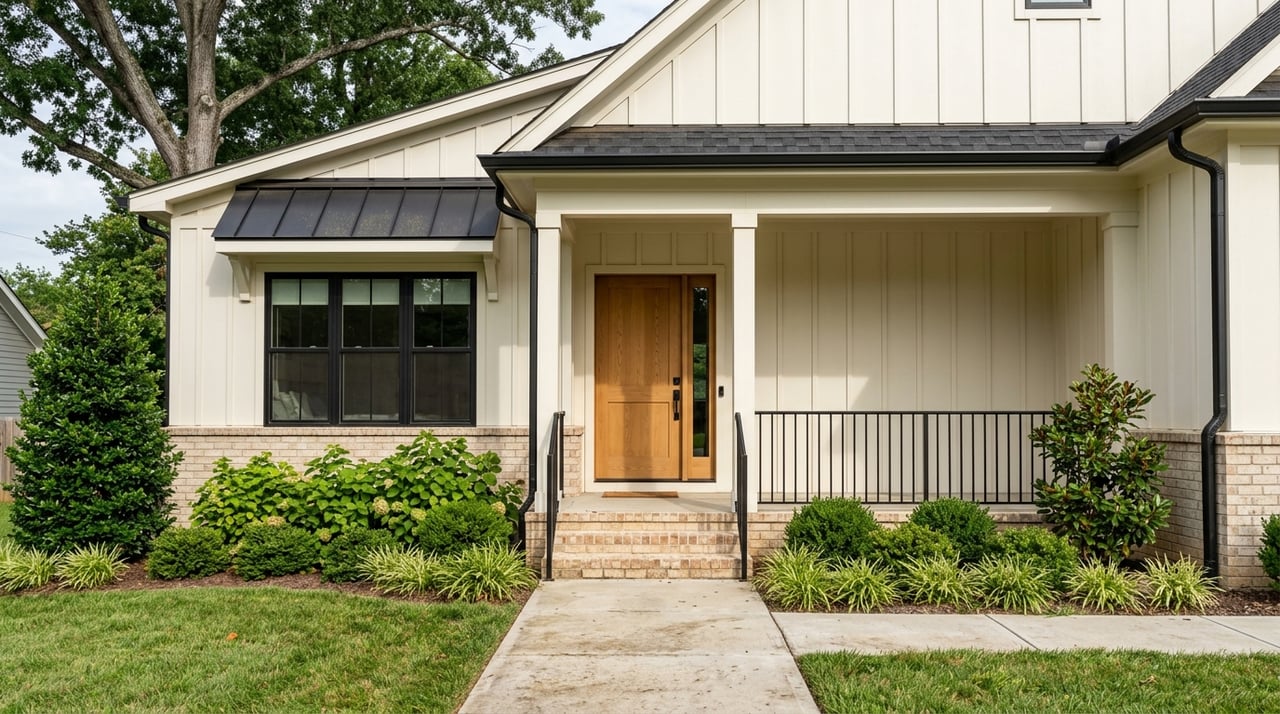
Trying to choose between a brand-new home and an established one in Glen Allen? It is a common question, and the answer is not always as simple as newer versus older. Your timeline, your comfort with due diligence, and even the way a neighborhood feels can all shape the right choice. This guide will help you compare both paths so you can move forward with more clarity and confidence. Let’s dive in.
In Glen Allen, the decision is about more than the house itself. Henrico County has planning tools that guide how development happens here, especially in areas where preserving existing character matters.
The county’s Glen Allen Overlay District is intended to reduce traffic congestion, avoid visual clutter, and require buffering, screening, and landscaping to limit the visual impact of development. That means when you compare new construction and established homes, you are also comparing how much change may still be happening around the property.
Henrico also uses planned development districts that can blend housing, parks, open space, and mixed uses within one coordinated plan. In practical terms, a newer home may be part of a more master-planned setting, while an older resale home may be in a more mature subdivision or an area with a more settled streetscape.
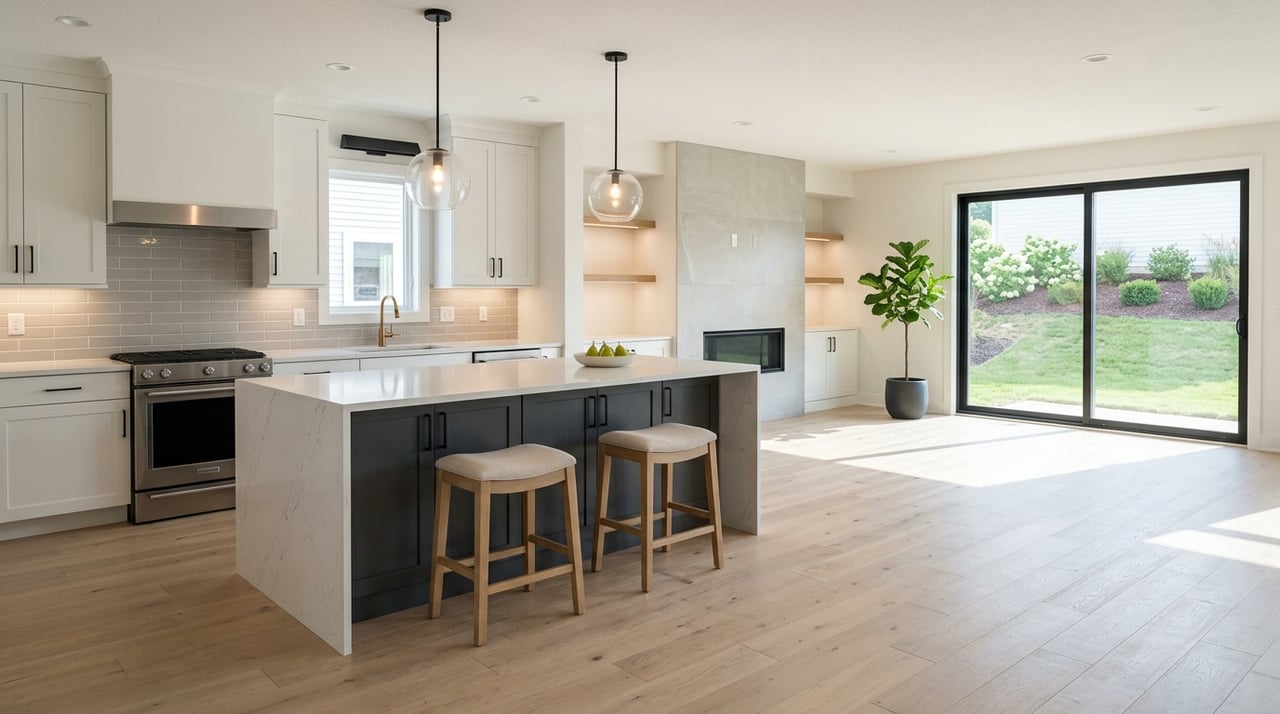
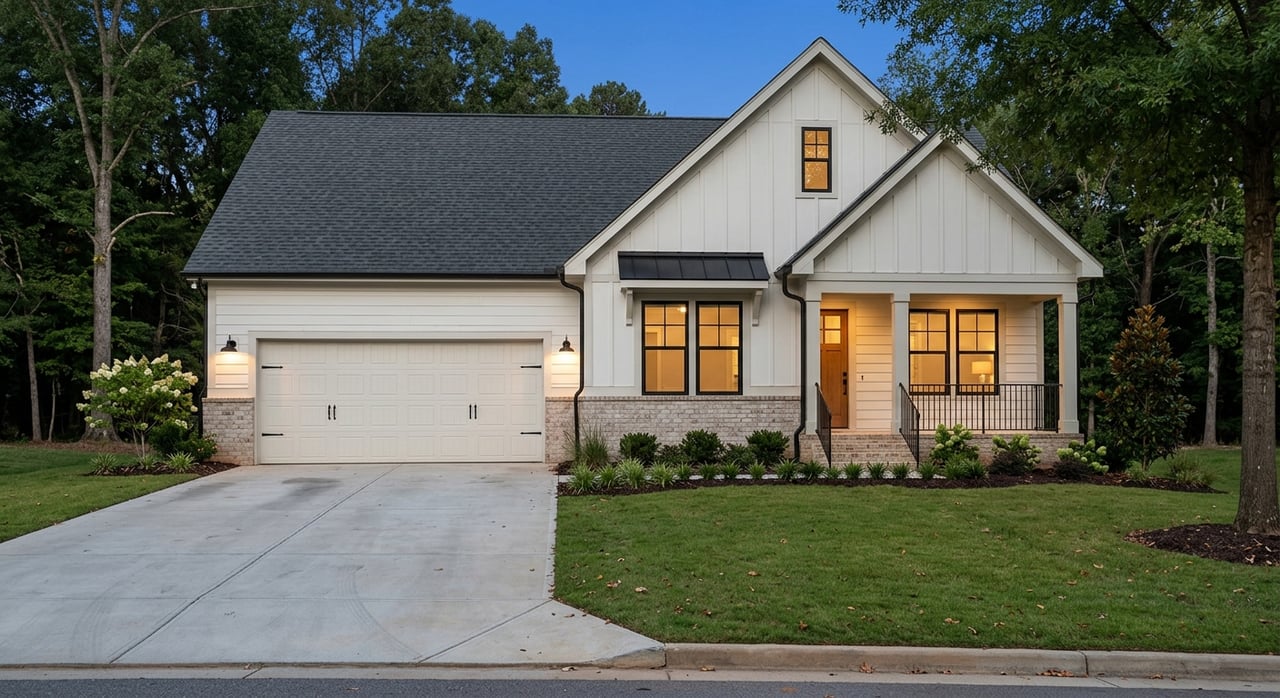
If you like the idea of choosing features and starting fresh, new construction can be very appealing. Depending on the stage of the build, you may be able to select finishes such as flooring, lighting, tile, countertops, cabinets, and vanities.
That flexibility is one of the biggest advantages of buying new. You also get a newer set of major systems, which can bring peace of mind as you settle in.
Not every new home follows the same path. Some buyers go fully custom, while others buy from stock plans or purchase a spec home that is already underway.
If you get involved early enough, you may still have room to personalize the look and feel of the home. For buyers who want a more tailored space, that can be a major benefit.
Many newly built homes come with a builder warranty. According to FTC guidance, these warranties often cover permanent parts of the home and may be structured with one year for workmanship and materials on many components, two years for systems like HVAC, plumbing, and electrical, and sometimes 10 years for major structural defects.
It is also important to know what a builder warranty does not mean. It is not the same as a separate home warranty service contract, and it often does not cover appliances, small cosmetic cracks, or out-of-pocket living expenses during repairs.
The biggest tradeoff with new construction is usually time. If you need to move quickly, the new-build path may feel slower and less predictable than buying an existing home.
For a custom home, the design phase often lasts 3 to 6 months, and construction typically takes at least 12 to 16 months. Delays can happen along the way, so it helps to build flexibility into your plans.
Henrico’s permitting and inspection system shows just how process-heavy new construction can be. The county requires permits through Build Henrico, and some permit types require plan uploads in separate files by discipline such as site, structural, architectural, mechanical, electrical, and plumbing.
The county also uses staged inspections during construction, including framing, insulation, and final inspection. Final approval is required before a certificate of occupancy is issued, which is one reason move-in timelines can shift.
Henrico’s published inspection surcharge policy is tied to an average of 33 inspections for a new one- and two-family dwelling. That is a helpful sign that a lot of checkpoints can happen before a home is truly ready.
A common misunderstanding is that county inspections replace a private home inspection. They do not.
Even on new construction, you should still have an independent home inspector who is accountable to you. County code inspections serve a different purpose than a buyer’s own due diligence.
If your top priority is a faster path to move-in, an established home often has the edge. You are not waiting through design decisions, permit reviews, construction sequencing, and final occupancy approval.
That can make the resale route feel more straightforward, especially if your current home timeline, job move, or family schedule leaves less room for delays. In many cases, you can move from contract to closing much sooner than with a from-scratch build.
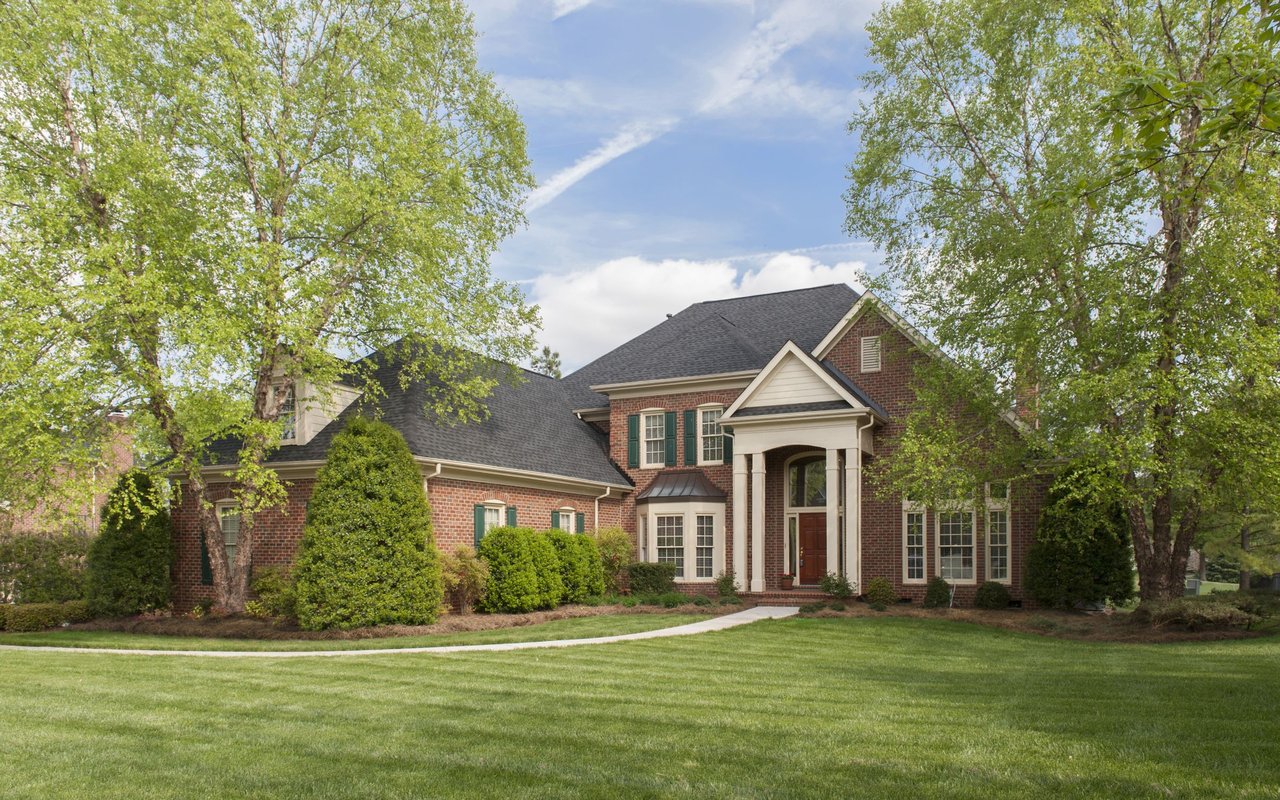
In Glen Allen, many buyers also value the feel of a more mature area. An established home may be in a neighborhood with more settled landscaping, a more consistent streetscape, and less nearby construction activity.
That does not automatically make it a better fit, but it can be important if you want a setting that feels more established from day one. In a market like Glen Allen, that neighborhood maturity can be a meaningful part of the decision.
Established homes often create more room for inspection-based decisions. If your contract includes a satisfactory inspection contingency, you may be able to cancel without penalty if the inspection is unsatisfactory, or negotiate repairs or credits if issues come up.
That can give you useful leverage as you evaluate the home’s condition. It also gives you a clearer picture of what ownership may involve right away.
The resale path can be faster, but it also puts more responsibility on you as the buyer. In Virginia, the Residential Property Disclosure Statement makes clear that the seller is making no representations or warranties about the condition of the property or many related issues.
Instead, buyers are directed to do their own due diligence before settlement. That is why inspections, document review, and property research matter so much when you are buying an established home.
When you evaluate a resale home in Glen Allen, pay close attention to property-specific details, including:
These items can affect your use of the property, future costs, or how confident you feel moving forward.
Henrico can provide copies of plans, permits, inspection reports, and certificates of occupancy. That can be useful if you want to verify past work or better understand the history of an addition or major repair.
There is one limit to keep in mind. Residential plans are only available for 10 years after construction, so some older homes may not have a complete county file.
If you want the cleanest way to compare the two, it comes down to priorities.
| Factor | New Construction | Established Home |
|---|---|---|
| Move-in timing | Often longer and less predictable | Usually faster |
| Customization | May allow finish selections | Usually limited to existing features |
| Systems and materials | Typically newer | May require closer condition review |
| Warranty structure | Often includes builder warranty | Separate home warranty may be optional |
| Inspection role | Still important | Very important |
| Neighborhood feel | May be in a community still taking shape | Often more settled |
If you want personalization, newer systems, and the structure of a builder warranty, new construction may be the better fit. It can work especially well if you are comfortable with a longer timeline and a community that may still be evolving.
If you want to move sooner, prefer a more settled setting, and value the ability to negotiate based on inspection findings, an established home may make more sense. In Glen Allen, that choice often comes down to how you weigh customization against speed and neighborhood maturity.
The good news is that both options can work well when your strategy matches your goals. If you want help comparing specific homes or neighborhoods in Glen Allen, Adam Carpenter can guide you through the details with a local, high-touch approach.
Stay up to date on the latest real estate trends.
Work with experienced professionals who blend real estate excellence with a passion for making an impact — because every move should mean more.
MOVING FOR GOOD
ADDRESS 2400 OLD BRICK RD GLEN ALLEN VA 23060