Thinking about moving to Short Pump but not sure where to start? You want a home that fits your life, an easy commute, and quick access to parks and everyday shopping. You also want clear, local guidance without the guesswork. In this guide, you’ll learn how Short Pump is laid out, what types of homes you’ll find, how long typical commutes take, and which areas to target based on your lifestyle. Let’s dive in.
Short Pump at a glance
Short Pump sits in Henrico County’s West End, on the northwest side of the Richmond metro. It centers on two retail anchors you’ll hear about often: Short Pump Town Center (an outdoor mall) and West Broad Village (a mixed‑use district). Most neighborhoods are a short drive from this core.
You’ll commute mainly on Interstate 64 and US‑250 (West Broad Street), with local connectors like Nuckols Road, Cox Road, and Parham Road feeding into those corridors. Expect car‑oriented commuting with limited transit options. Drive time to downtown Richmond typically ranges from about 20 to 35 minutes, depending on your exact starting point and traffic.
Neighborhood shortlist by lifestyle
Below is a practical, shopper-friendly shortlist organized by how you’ll likely use the area. It highlights what the neighborhoods feel like, common home types and lot sizes, and basic commute notes.
Walkable to shops and dining
- What it feels like: Active and convenient. You can stroll to restaurants, fitness studios, coffee, and community events. Expect more traffic and buzz near the core.
- Housing: Condos and townhomes dominate, with select newer construction. Interiors trend modern, with open layouts and low‑maintenance finishes.
- Lot sizes: Compact yards or fee‑simple townhome patios, often described as low‑maintenance.
- Notable areas: West Broad Village and the pockets immediately surrounding Short Pump Town Center.
- HOA: Common, with rules that protect uniform look and shared spaces; dues vary.
- Commute: Quick access to West Broad Street and I‑64; trips downtown often fall in the 20–35 minute range.
Traditional single‑family with a backyard
- What it feels like: Quiet streets and detached homes a short drive from the retail core. Sidewalks and cul‑de‑sacs are common.
- Housing: Mostly 2–4 bedroom single‑family homes built from the 1970s through the 2000s, many with updates.
- Lot sizes: Typical suburban yards, roughly 0.2–0.5 acre; space for a grill, garden, and play area.
- Where to look: Established subdivisions off Nuckols Road, Cox Road, and Parham Road within a quick drive to West Broad.
- HOA: Varies by subdivision; older areas may have voluntary or no HOA.
- Commute: Fast feeders to I‑64 and West Broad Street; plan for variable traffic at peak hours.
Newer planned communities and infill
- What it feels like: Modern floorplans, newer systems, and community amenities like trails or a pool if the HOA offers them.
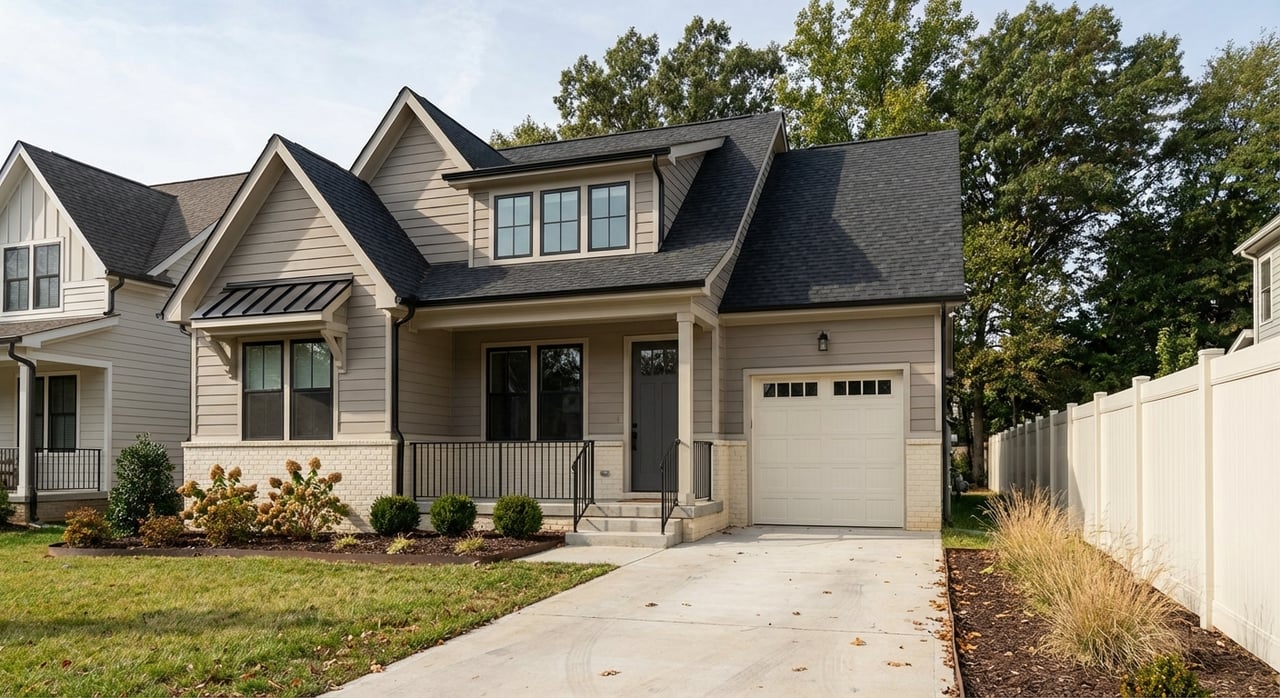
- Housing: Newer single‑family homes and townhomes, typically 2000s–2020s builds with open concepts and en‑suite primaries.
- Lot sizes: Smaller lots than older subdivisions, trading yard depth for updated interiors and amenities.
- Where to look: Newer phases off the main connectors near the Short Pump core.
- HOA: Common, with covenants that cover curb appeal and shared amenities; review documents to understand dues and rules.
- Commute: Direct access to West Broad Street and nearby interchanges, generally efficient but sensitive to rush‑hour volume.
Townhome and attached options
- What it feels like: Lock‑and‑leave convenience near shopping and dining, great for busy schedules and downsizers.
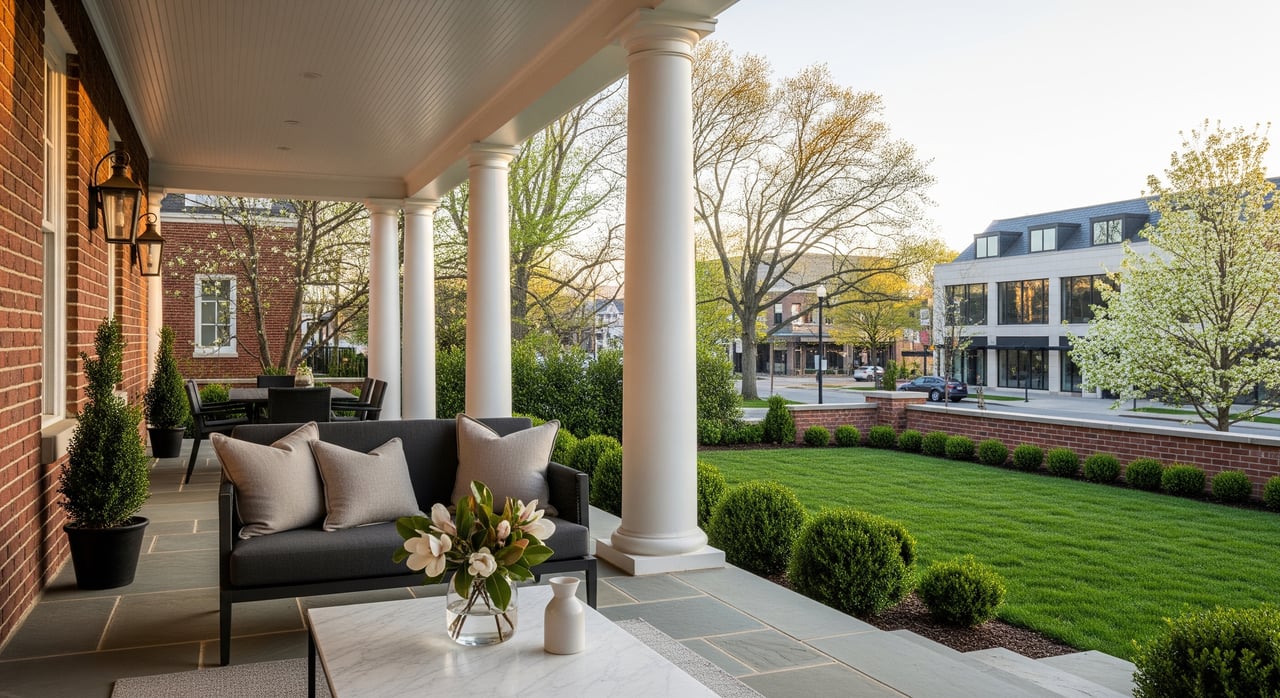
- Housing: 2–3 bedroom townhomes and carriage units; some condo buildings near the retail core.
- Lot sizes: Minimal yards or patios; landscaping often handled by the association.
- Where to look: Along the West Broad corridor and in scattered infill sites close to the retail core.
- HOA/condo: Expect monthly dues that typically cover exterior care and common areas.
- Commute: Quick access to major routes; plan for heavier traffic closest to West Broad.
Printable map overview
Use this simple schematic to orient yourself. It’s a text version of the suggested map you can print and bring on a drive‑by tour.
[Short Pump Orientation — Not to scale]

Major Roads:  I-64 (E–W) | US-250 / West Broad St. (E–W) | Nuckols Rd. | Cox Rd. | Parham Rd.

Retail Core:  [Short Pump Town Center]   [West Broad Village]

Drive-Time Rings (from Town Center):
- 15 minutes: Most of Short Pump and nearby West End pockets
- 25 minutes: Inner suburbs toward Downtown Richmond
- 35 minutes: Downtown and select regional job centers

Neighborhood Zones:
- Walkable Core: West Broad Village + areas around Town Center
- Traditional Yards: Established subdivisions off Nuckols/Cox/Parham
- Newer Builds: Planned communities and infill near main connectors
- Townhome/Attached: Along West Broad corridor and infill pockets

Parks & Green Space: County parks and trails scattered within a short drive
Commute guide
- Primary routes: I‑64 for regional travel and downtown access; US‑250/West Broad Street for local errands and cross‑town trips. Nuckols, Cox, and Parham connect neighborhoods to those corridors.
- Typical drive times: Downtown Richmond is usually 20–35 minutes by car, depending on where you start and traffic. Regional job centers and hospitals often fall within 20–40 minutes.
- Peak‑hour reality: Volume builds at I‑64 interchanges and along West Broad Street near the retail core. Give yourself extra time during school and evening rush.
- Transit note: The area is largely car‑oriented with limited local transit service. If you rely on transit, confirm current bus routes and schedules before you commit.
Parks, trails, and shopping
Short Pump’s everyday living revolves around easy access to restaurants, grocery stores, fitness studios, and entertainment clustered along West Broad Street. Short Pump Town Center and West Broad Village are the two big anchors many residents visit weekly.
For outdoor time, you’ll find Henrico County parks and green spaces a short drive from most neighborhoods. Facilities typically include playgrounds, athletic fields, open lawns, and walking paths. Many subdivisions add their own amenities, such as a neighborhood pool, clubhouse, or internal trails.
Tip: If a community pool or trail network is important to you, review the HOA’s official amenity list and budget during your home search.
What homes look and feel like
- Home types: Single‑family detached homes are the majority. You’ll also find townhomes and a few condo complexes, especially near the mixed‑use core.
- Lot sizes: Townhomes/condos offer compact, low‑maintenance outdoor space. Typical suburban detached lots are about 0.2–0.5 acre. Select “executive” pockets can reach 0.5 acre or more.
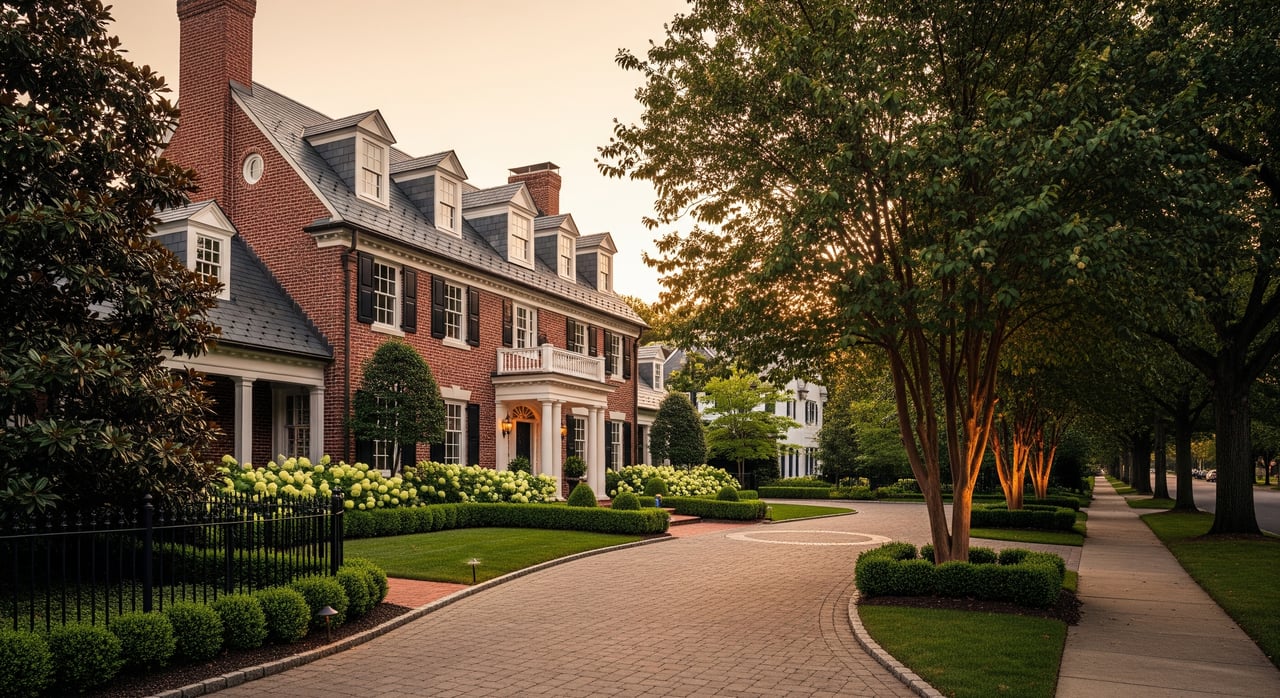
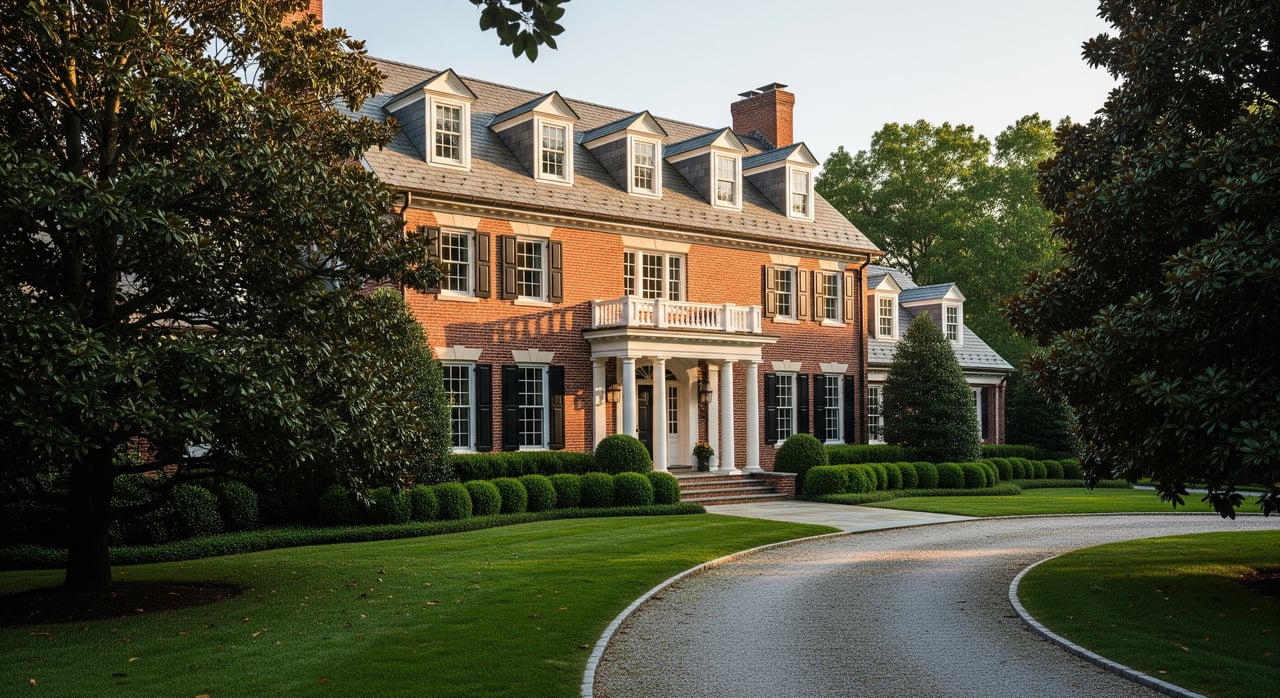
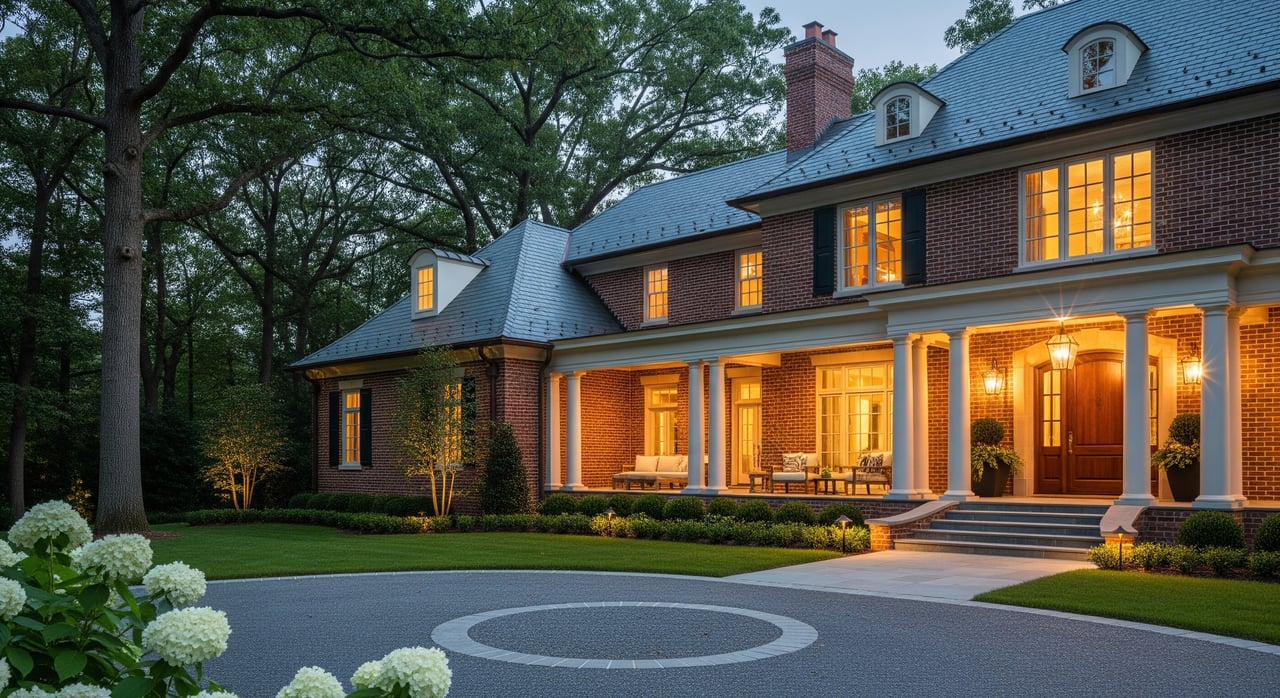
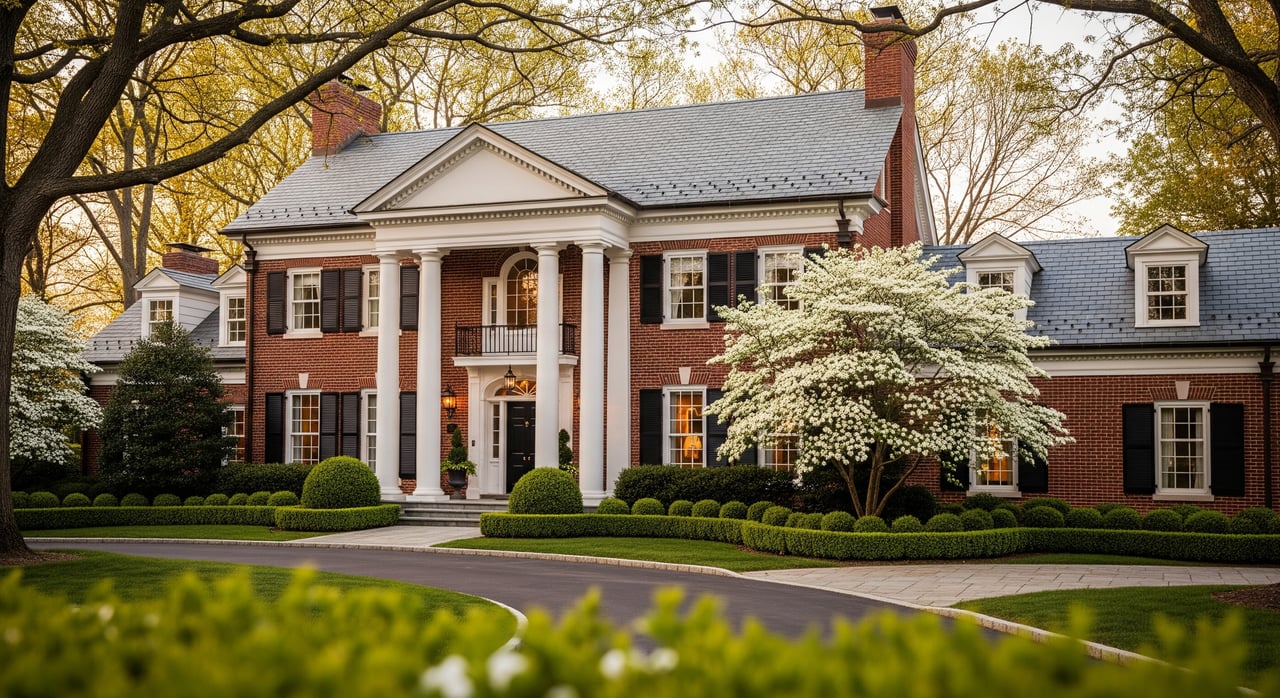
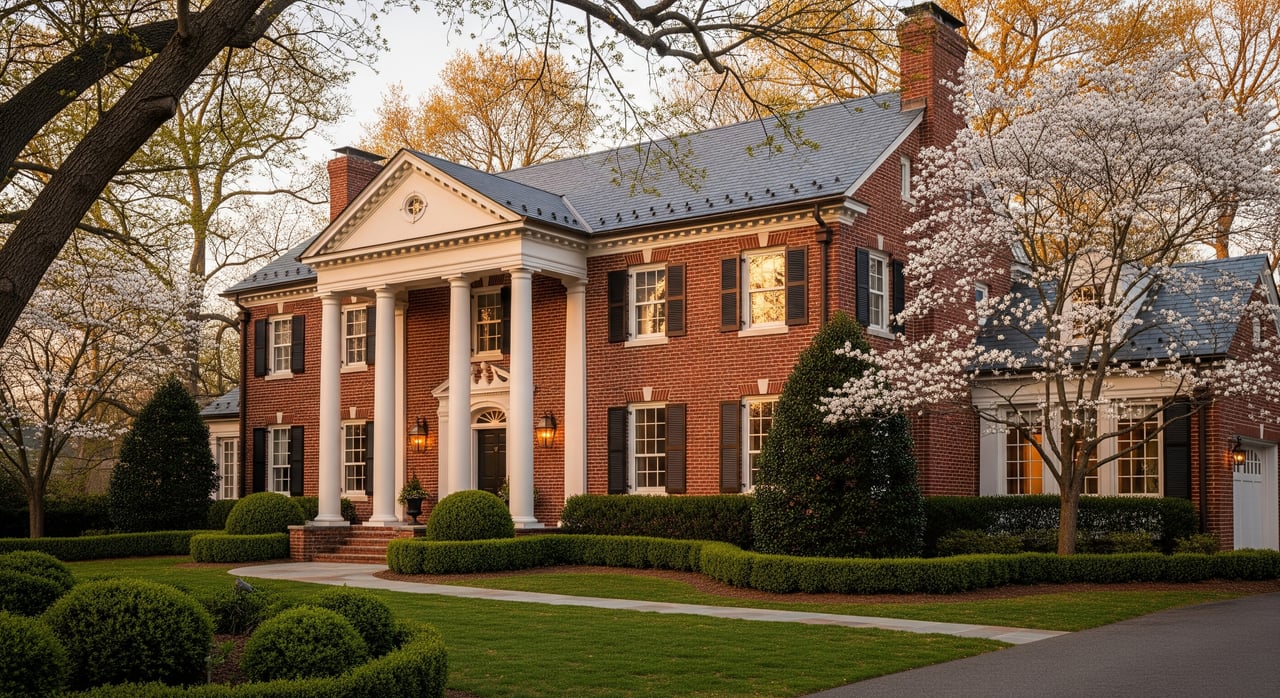
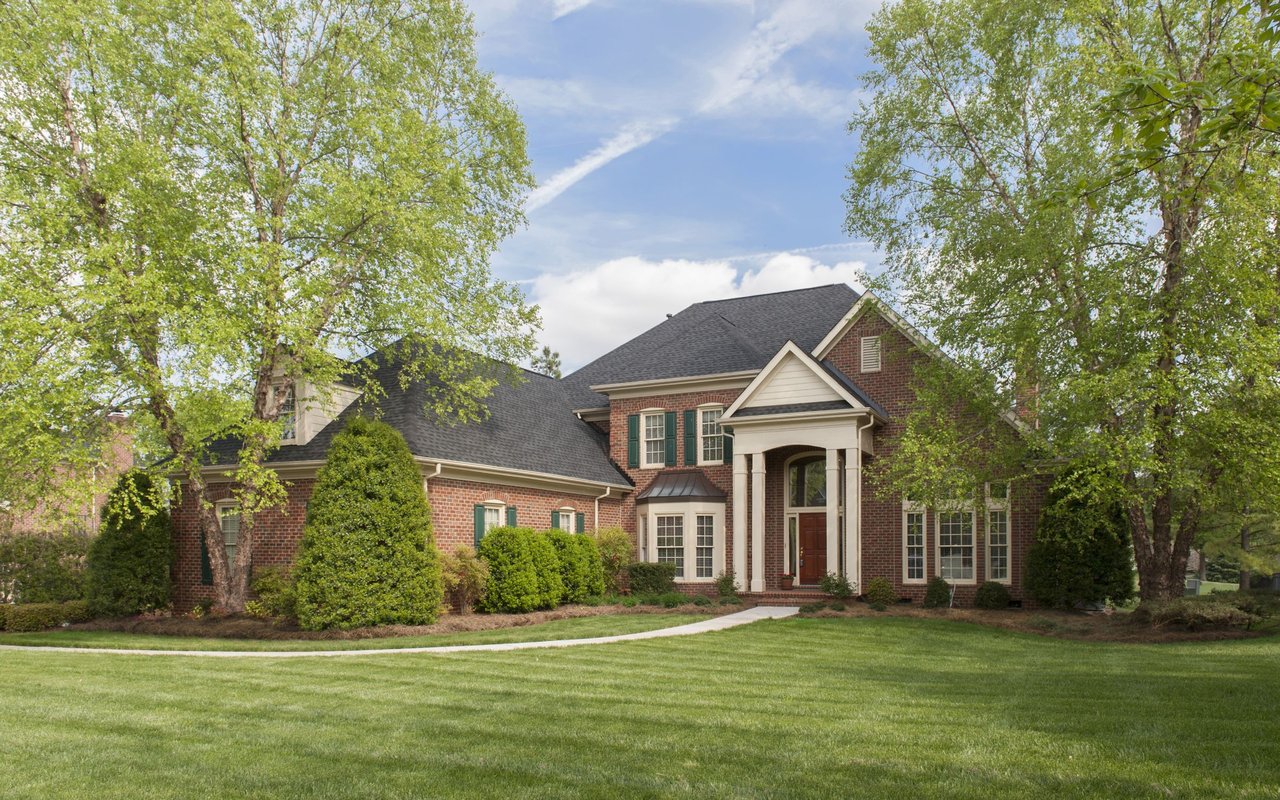
- Architecture: Expect Colonial and Neo‑Colonial styles, traditional two‑story plans, with Craftsman and contemporary details appearing in newer infill.
- Age mix: A blend of 1970s–1990s neighborhoods, plus widespread 2000s–2020s construction in planned communities and infill phases.
- Renovation notes: Older homes often feature updated kitchens and baths. Newer builds lean open concept with en‑suite primaries and attached garages.
HOA and resale considerations
- HOAs are common in newer subdivisions and townhome communities. Dues and covenants vary by neighborhood. Always review rules, fees, and reserve budgets during due diligence.
- Proximity to the retail core can boost convenience and value, but also brings more traffic and occasional noise. If that trade‑off concerns you, focus a few minutes farther from West Broad Street.
- For future resale, buyers tend to prioritize quick access to I‑64/West Broad, practical floorplans, and updated systems. Well‑kept exteriors and tidy streetscapes also matter, especially in HOA neighborhoods.
How this shortlist was built
To create this guide, we focused on the way you’ll actually live day to day. We grouped options by lifestyle and verified trends using county mapping resources, local MLS data, and official HOA materials. That approach helps you quickly narrow the field to areas that fit your commute, yard preferences, and maintenance style.
Next steps for buyers
- Do a drive‑by tour: Visit the walkable core and nearby subdivisions to compare pace and street feel.
- Check rush‑hour timing: Test your commute to work and regular destinations at peak hours.
- Review HOA documents: Understand covenants, dues, rental policies, and amenity details before making an offer.
- Right‑size your lot: Decide if low‑maintenance attached living or a 0.3‑acre yard fits your routine best.
- Plan your budget: Account for HOA dues, potential amenity fees, and ongoing maintenance.
- Get local guidance: A neighborhood‑level agent can help you confirm boundaries, lot sizes, build years, and resale patterns.
Ready to explore homes that fit your lifestyle in Short Pump? Connect with Adam Carpenter to map a tour, compare HOAs, and zero in on the right neighborhood.
FAQs
How far is Short Pump from downtown Richmond?
- Most drives to downtown Richmond fall in the 20–35 minute range, depending on your exact starting point in Short Pump and traffic along I‑64 and West Broad Street.
Which Short Pump areas are best for walking to restaurants and shops?
- West Broad Village and the areas around Short Pump Town Center offer the most walkable access to dining, fitness, and everyday errands.
Where can I find newer homes versus established yards in Short Pump?
- Newer builds cluster in planned communities and infill sites near the main connectors. Established single‑family homes with larger yards are common in subdivisions off Nuckols, Cox, and Parham.
Do most Short Pump neighborhoods have HOAs, and what do they cover?
- Many newer subdivisions and townhome/condo communities have HOAs that may cover amenities, landscaping, and exterior maintenance. Dues and rules vary by neighborhood.
Are there townhome or low‑maintenance options close to the retail core?
- Yes. Townhome and condo options appear along the West Broad corridor and within or near the walkable core around West Broad Village and Short Pump Town Center.
Which roads will I use for daily commuting, and where is congestion common?
- You’ll rely on I‑64 and US‑250/West Broad Street, with Nuckols, Cox, and Parham as key connectors. Expect peak‑hour slowdowns near interchanges and the retail core.