What really sets your Glen Allen home’s value? If you are thinking about selling or planning upgrades, you want more than a rough guess. You want a clear, local playbook you can trust. In this guide, you’ll learn the five factors that move price in Glen Allen and how to use them to estimate your home’s value with confidence.
Let’s dive in.
The five value drivers
In Glen Allen, buyers compare homes by looking at:
- Comparable sales in your immediate area
- Condition and upgrades
- Lot and site features
- Builder reputation and construction quality
- Micro-location factors like commute, amenities, and HOA rules
Each driver interacts with the others, but comps set the baseline. Then condition, lot, builder, and micro-location explain why one home sells above or below that baseline.
Get an instant estimate for your Glen Allen home using this quick tool. [Get your estimate now](Insert instant estimate tool link here). For a tighter price range, request a custom valuation that includes an on-site review.
Comparable sales: your baseline
Comparable sales, or “comps,” are recent closed sales for homes similar to yours. They show what real buyers paid and form the foundation of pricing. In Glen Allen, you usually start in the same subdivision, then widen to nearby neighborhoods with similar age, lot size, and features if needed.
How to pick comps locally
- Time window. Use sales from the last 3 to 12 months. In fast-changing markets, focus on the most recent 3 to 6 months. In steadier periods, up to 12 months can still work.
- Geography. Start with your subdivision. If sales are sparse, expand within 0.5 to 2 miles and match neighborhood traits like lot size, age, and amenities.
- Similarity. Match property type, square footage, bed and bath count, lot size, age, and key features like a finished basement, garage, or pool.
- Quantity. Aim for 3 to 6 primary comps and a handful of backups to validate trends.
Adjusting for differences
Appraisers and market-savvy agents adjust comps for size, features, and condition. Price per square foot is a cross-check, not the whole story. For example, if a comp has a finished basement and yours does not, you adjust the comparison to reflect that difference before deciding on a range. Layout, quality of finishes, and functional utility also matter.
Local limitations to watch
Glen Allen includes both newer construction and older homes. Do not compare a new-build spec home to a 1970s ranch without careful adjustments. Unique lots or special features may require a wider search or a professional valuation when comps are thin.
Upgrades and condition
Condition and improvements can nudge your price above or below the comps. The impact depends on what you improved, how recently, and whether the work was permitted and documented.
What moves the needle
- Structural and systems. Roof, HVAC, water heater, windows, and foundation items influence buyer confidence. Replacements help preserve value and reduce objections.
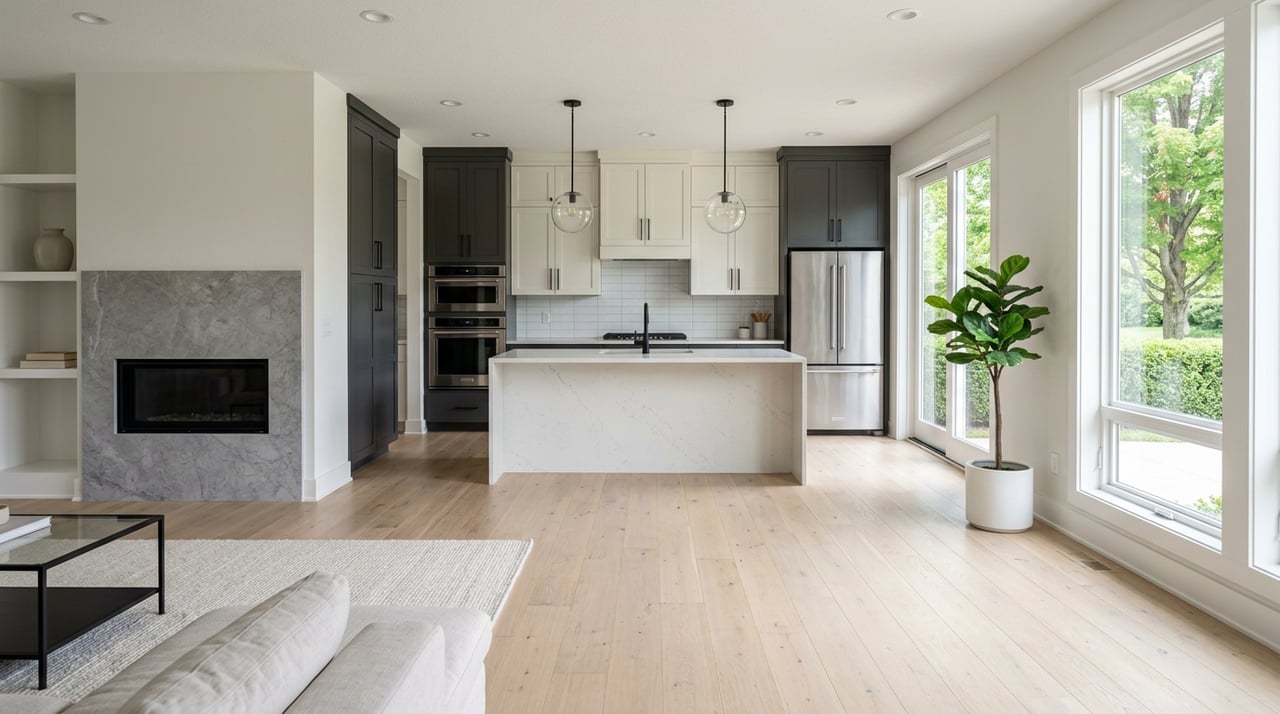
- Kitchens and baths. Midrange, tasteful updates are highly visible and often carry strong perceived value among Glen Allen buyers.
- Added living area. Finished basements or attic conversions increase usable space. Value depends on how the market counts the square footage and how functional the space feels.
- Energy efficiency. Better insulation or efficient HVAC can appeal to many buyers. Solar may add value depending on ownership terms and buyer awareness.
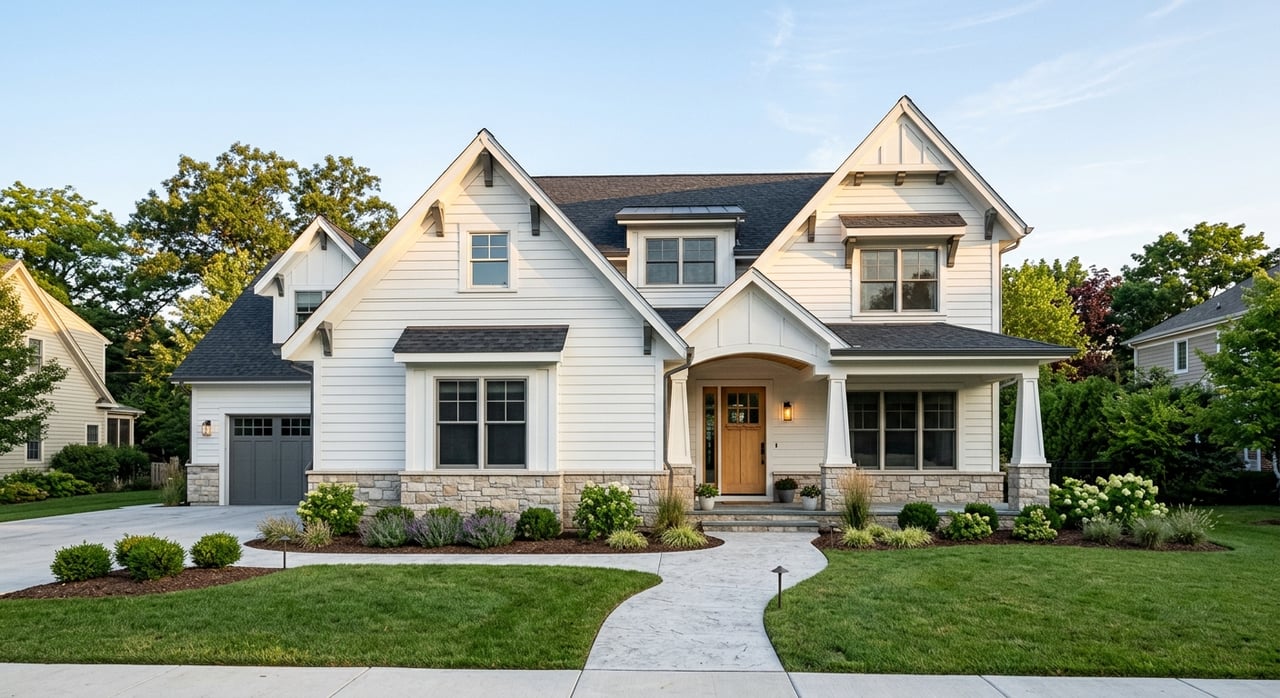
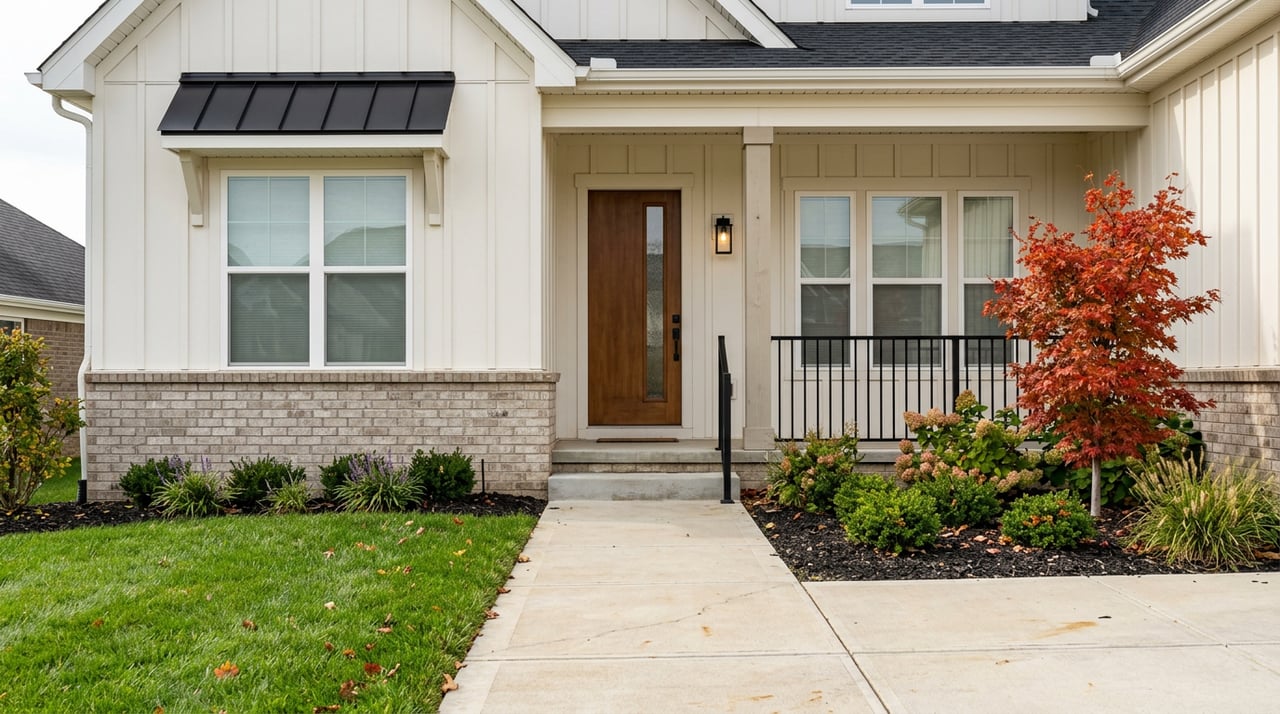
- Curb appeal. Siding condition, paint, landscaping, and outdoor spaces help you show well and support strong first impressions.
Permits and documentation
Permitted work with receipts and warranties builds trust and makes it easier for appraisers to recognize value. Unpermitted work can complicate a sale. Gather permits, invoices, warranty details, and contractor contacts before you list.
ROI expectations
Treat upgrades as market-positioning tools. Midrange kitchen and bathroom updates often recoup a meaningful share of cost at resale. Full luxury remodels may not return dollar for dollar. System replacements reduce risk and can protect value but are often seen as expected maintenance rather than a premium.
Lot and site factors
Two homes can look identical on paper yet sell at different prices because of the lot. Buyers notice sunlight, privacy, and how usable the yard feels.
- Orientation and privacy. South-facing yards offer consistent sun that many owners enjoy for gardens and outdoor living. Fenced, private backyards often show well with family buyers.
- Topography and drainage. Elevated lots with good drainage can earn premiums. Steep yards or pooling water can limit use and reduce appeal.
- Cul-de-sac and corner lots. Cul-de-sacs are often valued for low traffic and a quiet feel. Corner lots may feel more open but can have less backyard privacy.
- Flood and easements. Floodplain status can affect insurance and the buyer pool. Utility easements or conservation areas limit where you can add structures. Check Henrico County GIS for parcel details and flood layers, and review FEMA maps for flood zones.
- Driveway and garage function. Easy parking, garage access, and safe street transitions are quality-of-life details buyers notice.
Builder reputation and build quality
In subdivisions with active or recent construction, the builder’s track record affects resale. Recognized builders with consistent quality and clear warranty practices tend to support stronger prices. Unknown or poorly reviewed work can lead buyers to expect more repairs.
How to evaluate:
- Track record. Review the builder’s presence in central Virginia and the performance of past communities.
- Warranties. Confirm what transfers to the next owner and for how long, especially structural coverage.
- Resale performance. Look at how quickly similar homes sell and whether they hold value.
- Records. Check county building records for any patterns of code issues.
New construction often commands a premium for modern layouts and new systems. Incentives or spec-home competition can pressure pricing. Resale homes that are well-maintained and updated remain competitive, especially with thoughtful presentation and pricing.
Micro-location and daily life
Beyond the house, buyers compare commute routes, shopping access, parks, and community features. In Glen Allen, proximity to I-64 and I-295 helps commuters reach Innsbrook, Short Pump, and central Richmond efficiently. Access to retail nodes like Short Pump Towne Center is a frequent preference for convenience.
School boundaries are another factor some buyers consider. Use official Henrico County Public Schools boundary maps to verify your assigned schools. Keep in mind that boundaries can change, and buyers evaluate schools using their own criteria.
HOA rules and fees also matter. Communities with consistent exterior standards can support stable pricing, which some buyers appreciate, while others prefer fewer restrictions.
Quick self-assessment checklist
Use this at-home review to understand how the five drivers apply to your property. It also sets you up for a stronger valuation.
- Comps
- Collect 3 to 6 recent closed sales in your subdivision from the last 6 to 12 months.
- Note sale price, date, square footage, beds and baths, lot size, and major features like finished basement or pool.
- Condition and upgrades
- Note the age of roof, HVAC, water heater, windows, and electrical panel.
- List kitchen and bath updates with dates and scope.
- Identify any unpermitted work you plan to remedy or disclose.
- Lot and site
- Record lot size and shape, backyard privacy, orientation, and driveway or garage capacity.
- Check for nearby streams, visible drainage, or floodplain indicators. Confirm with county GIS and FEMA maps.
- Builder and construction
- Identify the builder, any remaining transferable warranties, and any known issues. Note major renovations and who completed them.
- Micro-location and amenities
- Verify assigned school boundaries for your address.
- List distance to major employment centers and shopping. Note HOA rules, dues, and community amenities.
- Market timing and presentation
- Review days on market for recent sales near you.
- Decide on light prep or staging to improve first impressions.
Ready for a ballpark price? Start with an instant estimate, then follow up with a custom valuation for accuracy. [Get your instant estimate](Insert instant estimate tool link here).
Instant estimate vs custom valuation
An instant automated valuation model, or AVM, gives you a fast range using public records and MLS data. It works well when your home is typical for the neighborhood and there are plenty of recent sales.
AVM strengths:
- Quick and easy starting point
- Helpful when floor plans are uniform and sales are recent
AVM limitations:
- Cannot see interior condition, unpermitted work, or unique features
- May miss closing concessions and on-the-ground market nuance
A custom valuation, often called a comparative market analysis or CMA, adds an on-site review, documented upgrades, local comps, and a recommended list price range. Professional appraisals follow standardized approaches and are often used for financing.
You can use the instant estimate to frame expectations. Then order a custom valuation when your home is unique, you have recent major upgrades, or comps are thin or mixed.
When to call a local expert
Reach out early if any of these apply:
- You have a one-of-a-kind lot, custom features, or limited nearby comps
- You updated kitchens, baths, or systems recently and want credit for the work
- Your home backs to a stream, sits near a floodplain, or has drainage quirks
- Your area has active new construction competing for buyers
- Your AVM range conflicts with what you believe the market will pay
A quick walk-through and data-backed CMA will help you price with confidence and plan the right prep.
Let’s put your value to work
You do not need to guess. With the right comps, clear documentation, and a local audit of condition, lot, and micro-location, you can price your Glen Allen home with clarity and attract strong offers. If you want a precise number or strategic advice tailored to your timeline, connect with Adam Carpenter for a no-pressure conversation and a custom valuation that fits your goals.
FAQs
How do I choose comps for a Glen Allen home?
- Start in your subdivision with sales from the last 3 to 12 months, then expand up to 2 miles to similar neighborhoods. Match size, beds and baths, lot, age, and key features.
What upgrades add the most value before selling?
- Midrange kitchen and bath updates, well-executed added living space, and healthy systems tend to have the most impact. Document permits and warranties to support value.
Does a finished basement count the same as above-grade space?
- Usually no. Below-grade space is valued, but often differently than above-grade square footage. Function, finishes, and access all influence how buyers and appraisers weigh it.
How do school boundaries affect home value in Glen Allen?
- Many buyers consider assigned boundaries as one of several factors. Verify your address in official maps and present factual information so buyers can make their own evaluations.
Will a floodplain designation make my home unsellable?
- Not necessarily. Flood zones can affect insurance and buyer pool size, but many homes sell with proper disclosure and pricing. Confirm status with county GIS and FEMA resources.
Should I upgrade or sell as-is?
- Fix safety and system issues first. Then weigh targeted, midrange updates that improve photos and showings. A custom CMA can reveal which projects matter most in your submarket.
How accurate are instant online estimates in Glen Allen?
- AVMs are useful for typical homes with plenty of recent sales. They are less reliable for unique lots, recent renovations, or limited comps. Use a custom valuation for accuracy.
What documents should I gather for a valuation?
- Permits, receipts, warranties, a list of upgrades with dates and costs, recent utility bills, and HOA details. These help quantify condition and support pricing.